

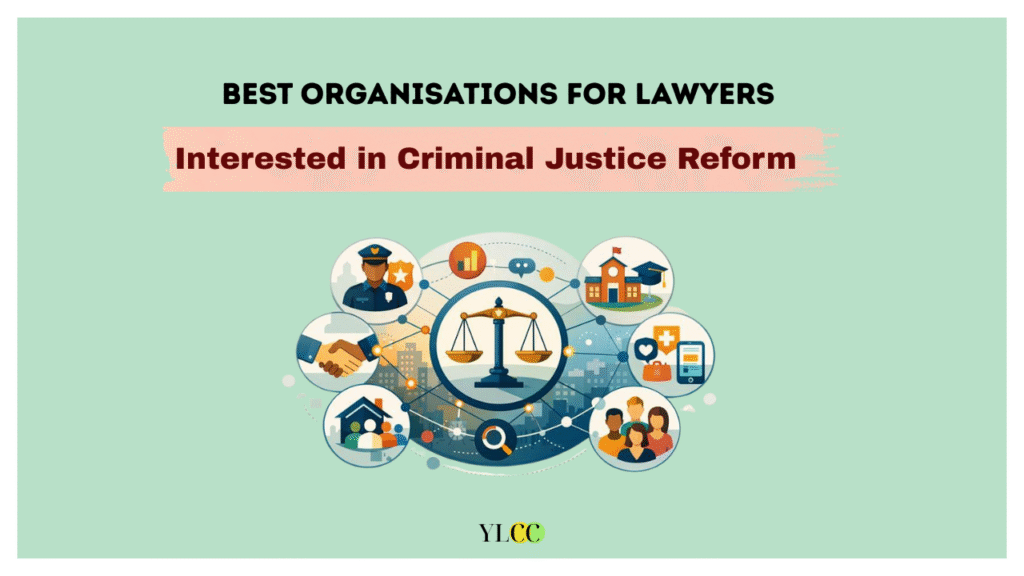
If criminal justice reform, improving the justice system and supporting people affected by it, is a cause you care about, tracking organisations working in this space can help you understand the issues, develop your knowledge and identify relevant opportunities.
Rather than relying on a fixed list of the “best” organisations, it is more useful to understand the kinds of organisations involved, how to evaluate their work and how to follow their activities.
Quick answer
Organisations working on criminal justice reform may include NGOs and non-profits, legal-aid organisations, research and policy groups, university law clinics and other public-interest organisations.
To find the right organisations for you, research their current work, assess their credibility and consider how closely their mission aligns with your interests and values.
Once you identify suitable organisations, follow their publications, projects, opportunities and updates. Where possible, explore volunteering or other ways to contribute.
Because organisations and their priorities evolve, a framework for identifying and evaluating them is more useful than a fixed ranking.
The kinds of organisations working on criminal justice reform
NGOs, non-profits and civil-society organisations: These may focus on criminal justice reform, prisoners’ rights and related issues.
Legal-aid and defence-oriented organisations: These support people navigating the criminal justice system and may work on access to legal assistance and representation.
Research, policy and advocacy organisations: These examine criminal justice issues, study existing systems and contribute to discussions about reform.
University and law-school clinics: These can provide opportunities to engage with criminal justice issues through legal research, supervised practical work or related programmes, depending on the institution.
Other public-interest organisations: These may work on related legal rights, institutional accountability and justice-system issues.
Understanding these categories helps you identify where to look before researching specific organisations.
How to identify and evaluate the right organisations
Research current organisations. Explore the field through your own research, professional networks, mentors and the legal and civil-society community.
Assess their work and credibility. Examine their activities, publications, stated objectives and areas of focus. Consider whether their work aligns with your interests and values.
Prioritise genuine alignment. An organisation’s visibility alone does not make it the right fit. Look at the issues it addresses and the ways you might learn from or contribute to its work.
This approach helps you build a relevant list rather than relying on a generic ranking.
How to track and engage
Once you have identified organisations worth following, make tracking them a regular habit.
Follow their work: Keep up with their publications, projects, announcements and opportunities.
Explore ways to contribute: Where available, consider volunteering, applying for relevant roles or participating in appropriate activities.
Keep your list current: Review the organisations you follow as their work and your interests evolve. Add relevant organisations you discover and reassess whether your existing list remains useful.
Tracking organisations is about more than collecting names. It helps you understand the field and identify meaningful ways to learn and engage.
YLCC ACTION STEP: Build a list of organisations working on criminal justice reform, starting with NGOs, legal-aid organisations, research and policy groups, university clinics and other public-interest bodies. Research their current activities, assess their credibility and alignment with your interests and values, and follow their publications and opportunities. Keep your list updated as the landscape evolves.
If this is you
If criminal justice reform is your cause: Identify organisations whose work aligns with the issues you care about, and explore meaningful ways to learn from or contribute to their activities.
If you want to get involved: Research current organisations, assess their work and credibility, and look for relevant volunteering or professional opportunities.
If you want to stay informed: Follow publications, projects and announcements, and review your list periodically as the field evolves.
FAQs
- What are the best organisations for criminal justice reform? There is no universally applicable list. Identify organisations working in this area and assess their activities, credibility and alignment with your interests.
- What kinds of organisations work on criminal justice reform? These may include NGOs, non-profits, legal-aid and defence-oriented organisations, research and policy groups, university law clinics and other public-interest bodies.
- How do I identify the right organisations? Research their current work, publications and stated objectives. Consult mentors and professional networks, and consider whether their work aligns with your interests and values.
- How can I track and engage with them? Follow their work and updates, look for relevant opportunities and explore ways to contribute where available. Keep your list current.
- Why not simply use a list of the best organisations? Organisations and their priorities change, and what counts as “best” depends on your goals. A research-based approach helps you identify organisations that are relevant to you.