
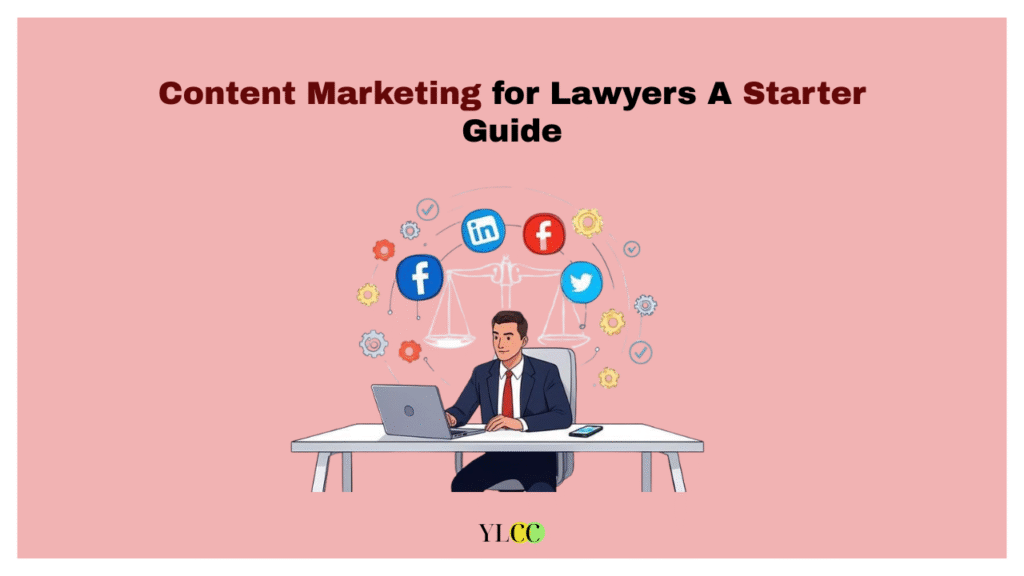
“Content marketing” usually means creating useful content to build an audience and, eventually, business. For lawyers in India, this needs to be understood carefully. Advocates cannot advertise or solicit work, but genuinely educational content that informs the public is generally treated differently. Done properly and within the rules, creating useful content can help build professional reputation and credibility.
Quick answer
For lawyers in India, content marketing should mean creating genuinely educational and informative content, such as explaining legal concepts, discussing legal developments, or helping people understand their rights. Advocates are restricted from advertising and soliciting work under the Bar Council of India rules, so content should remain clearly educational and informational rather than becoming advertising, self-promotion, solicitation, promotional claims or testimonials.
A practical approach is to create useful and accurate content in your area of knowledge, keep it informative rather than promotional, publish through permissible channels, and maintain consistency. The purpose should be to inform and educate, not to directly seek clients. Over time, genuinely useful content can demonstrate your knowledge and contribute to your professional reputation.
Because the distinction between education and solicitation matters, and professional rules can change, verify the current position before publishing.
The crucial framing: educate, don’t advertise
The most important distinction in content for lawyers is between educating and informing and advertising or soliciting.
Genuinely educational content can include explaining legal concepts, discussing judgments or developments, or helping people understand their legal rights. The purpose is to provide useful information rather than solicit work for a particular advocate.
Your content should therefore avoid turning educational material into promotion. It should not make promotional claims about your services, solicit clients, or rely on testimonials or endorsements to market your practice.
The safest approach is to keep asking a simple question: Is this content genuinely helping the reader understand the law, or is it primarily trying to sell my services? When in doubt, check the current professional conduct rules.
What good, permissible content looks like
Good legal content is genuinely useful and informative. It can explain a legal concept in plain language, discuss a recent legal development, analyse a judgment, explain a change in the law, or help people understand their rights and obligations.
The emphasis should be on clarity, accuracy and usefulness. Good content demonstrates knowledge by actually providing value to the reader rather than simply asserting expertise.
This makes educational content closely connected to good legal writing and thought leadership, while keeping it clearly informational and within the applicable professional rules.
How to start
Choose topics in your area where you can genuinely inform or educate. Write clearly and accurately, particularly because inaccurate legal information can mislead readers and damage professional credibility.
Keep the content educational rather than promotional or soliciting. Publish and share it through permissible channels, and develop consistency rather than trying to turn every piece of content into a client-acquisition exercise.
Start with subjects you understand well. A clear explanation of one useful legal issue is more valuable than content that tries to cover everything.
YLCC ACTION STEP: Create one genuinely educational and accurate piece of content in your area of law. Make it useful to the reader, remove promotional or soliciting elements, check the legal position carefully, and publish it through a permissible channel. Repeat the process consistently and let the quality of the information speak for itself.
If this is you
If you were thinking of “marketing” content to win clients: Reframe it as educating and informing. The objective should be to provide useful legal information rather than advertise your services or solicit clients.
If you are unsure where the line is: Ask whether the content genuinely informs the public or whether it is primarily promoting you or seeking work. Keep clearly on the informational side and verify the current professional conduct rules when unsure.
If accuracy worries you: Take that seriously. Legal content should be carefully researched and checked before publication. Only publish information you are confident is accurate and within your competence.
PLEASE DON’T DO THIS: Don’t create content that advertises your services, solicits clients, makes promotional claims, or uses testimonials or case endorsements as marketing. Don’t publish inaccurate or careless legal information either. Keep your content genuinely educational, accurate and informative, and verify the applicable professional conduct rules.
FAQs
- Can lawyers do content marketing in India? Lawyers can create genuinely educational and informative content, but advocates are restricted from advertising and soliciting work. Content should therefore remain clearly educational and non-promotional, and the current rules should be verified.
- What content is permissible? Content that genuinely informs or educates, such as explanations of legal concepts, discussions of legal developments or judgments, and information about legal rights and obligations.
- What content is not allowed? Advertising services, soliciting clients, making promotional claims, or using testimonials and case endorsements for promotional purposes can fall within restricted territory. Verify the current professional conduct rules before publishing.
- Why does accuracy matter so much? Legal information can affect how people understand and exercise their rights. Inaccurate content can mislead readers and undermine professional credibility, so legal content should be carefully researched and checked.
- How do I start? Choose topics where you can genuinely provide useful legal information, write clearly and accurately, keep the content educational rather than promotional, use permissible channels, and publish consistently within the applicable rules.