
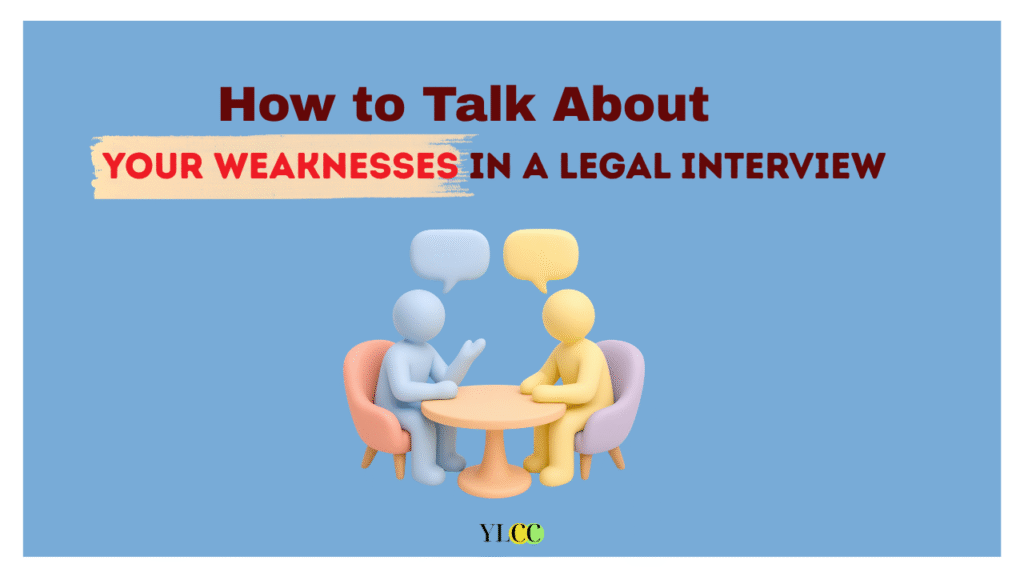
The weakness question feels like a trap, and you’re right to be wary of it, but not for the reason you think. The trap isn’t admitting a weakness. The trap is the tired dodge everyone uses: “I’m a perfectionist,” “I care too much,” “I work too hard.” Interviewers have heard those a thousand times, and they read as evasive. Let me show you the honest approach, which is both safer and more impressive.
Quick answer
To answer the weakness question, name a genuine, non-fatal weakness, and this is the key part, explain what you’re actively doing to manage or improve it. Interviewers aren’t looking for a flawless candidate; they’re testing self-awareness and whether you can take feedback and grow. Honesty plus a plan beats a fake weakness every time.
What they’re actually testing
Nobody believes you have no weaknesses, so pretending you don’t fails instantly. What the interviewer wants to see is: are you self-aware? Can you talk about a shortcoming without falling apart or getting defensive? And do you actively work on yourself? In legal work, where you’ll get constant feedback and correction, those qualities matter enormously. The weakness question is really a self-awareness-and-coachability test in disguise.
The structure: honest weakness + what you’re doing about it
Pick a real weakness that is genuine but not disqualifying for the role, then show the work you’re putting in:
- Name it honestly. Choose a genuine area you’re working to improve, not a disguised strength.
- Give brief context. Explain where it tends to show up in your work.
- Show what you’re doing about it. Describe the steps you’re actively taking to improve. This is what demonstrates self-awareness and maturity.
Example: “Earlier, I tended to dive into research without properly defining the scope of the question, so I’d sometimes spend time researching issues that weren’t necessary. I’ve started confirming exactly what’s required before I begin and setting clear boundaries for my research. As a result, my work has become more focused and efficient.”
Choosing a weakness that’s safe but real
First, don’t choose a weakness that is fundamental to the role. For example, if you’re interviewing for a research-intensive position, saying “I’m bad at legal research” is more likely to raise concerns than earn honesty points.
Second, don’t choose something so trivial or overused that it sounds rehearsed. Answers like “I’m a perfectionist” or “I work too hard” rarely feel genuine.
Instead, choose a real skill you’re actively developing, such as public speaking, delegation, over-checking your work, taking on too much at once, or structuring long documents. The best weaknesses are genuine, improvable, and not fatal to the role.
YLCC ACTION STEP: Choose one genuine weakness you’re actively working on. Write two sentences: first, describe the weakness honestly; second, explain the specific steps you’re taking to improve it. Then practise saying it aloud until it sounds calm, confident, and matter-of-fact.
PLEASE DON’T DO THIS: Don’t rely on clichés like “I’m a perfectionist” or “I work too hard.” Most interviewers recognise these as attempts to avoid answering the question, and they can undermine your credibility. At the same time, avoid revealing a serious weakness that would cast doubt on your ability to perform the role. Aim for the middle ground: a real, manageable weakness paired with a genuine plan for improvement.
What if you’re asked for strengths too?
The weakness question is often followed by, “What are your strengths?” The approach is the mirror image.
Choose a genuine strength that is relevant to the role, then support it with a specific example. Don’t simply list positive qualities.
For example, “I’m good at research” is vague. A stronger answer would be: “One of my strengths is turning a broad legal question into a clear, practical research note. During my internship, I researched limitation issues in a recovery suit, identified the leading authorities, and prepared a summary that the team used while drafting the matter.”
The same principle applies to your CV and interviews alike: evidence is always more convincing than adjectives.
FAQs
- Can I use a “fake” weakness like perfectionism? Better not — interviewers recognise it as a dodge. A genuine, non-fatal weakness with a plan is far more convincing.
- What if my honest weakness is relevant to the job? Choose a different real weakness that isn’t core to the role. Don’t volunteer a disqualifying one.
- How honest should I be? Be honest, but don’t treat the interview like a confession. Choose a genuine weakness that you’re actively managing or improving. The goal is to show self-awareness and growth, not to list your biggest flaws or undermine your suitability for the role.
- How long should the answer be? Short, the weakness, brief context, and what you’re doing about it. Don’t dwell.
- What if I genuinely can’t think of one? Reflect on recent feedback you’ve received. The thing a senior or professor last nudged you on is usually a good, honest answer.