
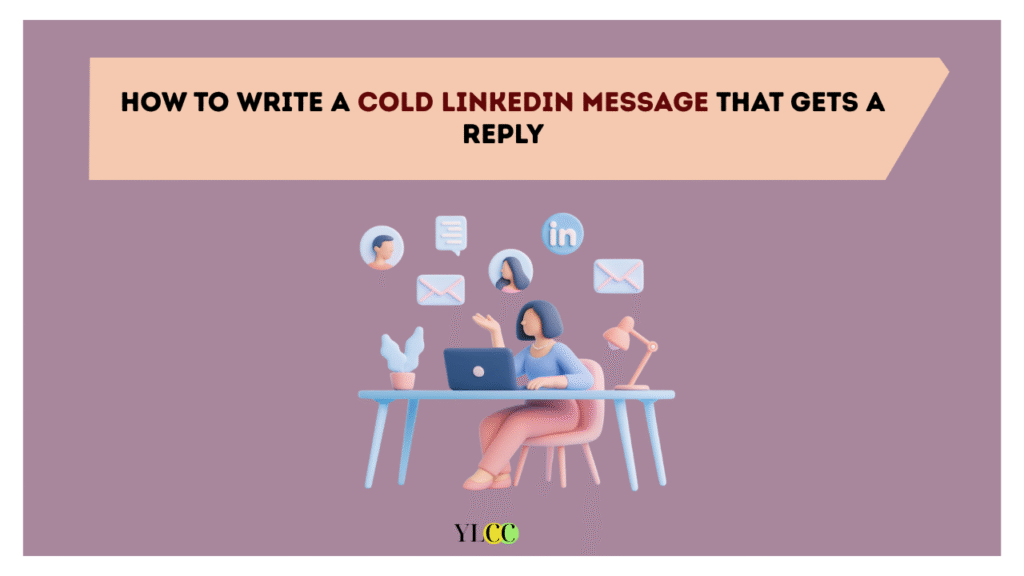
Reaching out to a stranger on LinkedIn feels awkward, and many law students avoid it entirely or send generic messages that get ignored. But a thoughtful cold message is one of the most powerful ways to build connections, find mentors, and open doors, especially if you do not have a strong network yet. The difference between silence and a reply usually comes down to how you write it. Let me show you how to do it well and respectfully.
Quick answer
To write a cold LinkedIn message that gets a reply, keep it short, personal, respectful and specific. Address the person by name, show you know who they are and why you are reaching out to them specifically, be clear and modest about what you want (which should be small and reasonable, like advice or a brief chat, not a big favour), and make it easy for them to respond. Avoid generic copy-paste messages, do not ask for too much, and always be polite and appreciative of their time. A good cold message respects the other person’s time and gives them an easy, low-pressure reason to reply. The core principle: be genuine, specific and considerate, not transactional.
Why most cold messages fail
Most cold messages get ignored for predictable reasons: they are obviously copy-pasted, they are all about the sender’s needs, they ask for too much too soon (like “please give me an internship” from a stranger), or they are vague and give the reader no easy way to respond. Busy people reply to messages that are personal, respectful and easy to answer. If your message feels like a template blast or a big ask, it will usually be skipped, no matter how polite.
The anatomy of a message that works
- A warm, personal opening. Use their name and show that you actually know who they are, whether through their work, an article they wrote, or their area of practice. This small detail immediately separates you from generic messages.
- A clear, honest reason for reaching out. Briefly explain why you’re contacting them specifically and introduce yourself in a line or two.
- A small, reasonable ask. Ask for something modest and easy to offer, such as brief advice, a short conversation, or a useful pointer. Avoid immediately asking for a job or a major favour. The smaller and clearer the ask, the easier it is to say yes.
- Respect for their time and an easy out. Acknowledge that they’re busy, keep the message concise, and make it clear there’s no pressure to respond. Gratitude and brevity go a long way.
The spirit behind it
Approach outreach as trying to build a genuine connection or learn something, not as extracting a favour. People can feel the difference. A message that is curious, respectful and specific invites a human response; a message that treats the person as a means to a job invites silence. Lead with genuine interest, keep your ask light, and be gracious whatever the response.
YLCC ACTION STEP: Before sending, run your message through four checks: Did I use their name and show I know who they are? Is my reason for reaching out to them specific? Is my ask small and easy to say yes to? Is it short and respectful of their time? If all four are yes, send it. If not, tighten it first.
If this is you
- If you feel it is “annoying” to message strangers: A short, respectful, specific message is not inherently annoying. It is one of the ways professional networks are built. Many people are happy to help a genuine, considerate student. The key is to be thoughtful, not pushy.
- If you do not hear back: That’s normal and not necessarily personal. People are busy. You can send one polite, brief follow-up after some time, then leave it there and move on to the next person graciously.
- If you are not sure what to ask for: Ask for a small piece of advice or their perspective on something specific. That is usually safer and more effective than asking for an opportunity outright.
PLEASE DON’T DO THIS: Please don’t send the same generic copy-pasted message to dozens of people, and please don’t open with a big ask like requesting an internship or a job from someone who has never met you. Both approaches feel transactional and usually get ignored. And please don’t be pushy or send repeated messages if someone does not reply. Respect their time and their silence.
After they reply
If someone does reply, be prompt, warm and appreciative, keep your follow-up considerate, and do not immediately escalate your ask. Building a relationship is a gradual thing. LinkedIn’s messaging features can change, but the principle stays the same: genuine, specific, respectful outreach gets replies.
FAQs
- Do cold LinkedIn messages actually work? Yes, when they are short, personal, specific and respectful, with a small, reasonable ask. Generic or demanding messages usually do not.
- What should I ask for in a cold message? Something small and easy to give, like brief advice, a short chat, or a pointer, rather than a job or a big favour.
- What if they do not reply? It is normal and not personal. You can send one polite follow-up later, then move on graciously.
- How long should the message be? Short. A few sentences that show who you are, why you are there, and a small ask, respectfully.
- Is it okay for a student to message senior lawyers? Yes, if you are respectful, specific and modest in your ask. Many are glad to help a genuine, considerate student.
Thank you for reading!
If you found this article helpful, explore more resources from YLCC and continue your legal learning journey.